Find the right system size for your home in about a minute
Pick your governorate and your appliances or generator subscription. The calculator instantly sizes your panels, inverter and batteries, with an estimated cost from our store and your expected monthly savings.
- 19 Iraqi governorates
- 22 household appliances
- Live results as you type
- Free, no sign-up
Step 1
Where is your home?
Peak sun hours and grid outages vary between governorates, and both change the size of the right system.
- Peak sun hours
6.01hours per day
Annual average solar irradiation on an optimally tilted panel, expressed as hours of full-strength sun.
- Summer grid outages
14hours per day
An estimate of average summer outage hours. We use it to suggest battery run time, and you can change it.
Step 2
How much electricity do you use?
Pick your appliances and how long they run for the most accurate result, or enter your current generator subscription if that is easier.
Start from a template
Your appliances
Split AC 1.5 ton (inverter)
1.3 kW13 kWh per day
Refrigerator
200 W2 kWh per day
For fridges and freezers, pick the hours the compressor actually runs (usually 8–12), not 24: it cycles on and off through the day.
Evaporative air cooler
250 W3 kWh per day
Ceiling fan
75 W1.5 kWh per day
LED light
15 W0.9 kWh per day
TV with receiver
150 W0.9 kWh per day
Water pump (1 hp)
750 W0.8 kWh per day
Washing machine
500 W0.5 kWh per day
Wi-Fi router
12 W0.3 kWh per day
- Daily usage
- 22.8 kWh/day
- Total connected load
- 3.5 kW
Add appliances
Cooling
Kitchen
Water & laundry
Lighting & living
Office & shop
Step 3
Fine-tune your system
Choose the inverter type, how many hours the batteries should run and the solar panel you prefer.
How many hours the batteries alone must run your home, with no sun and no grid: the outage hours that fall at night. We size the batteries for the appliances that run during those hours.
Suggested for Baghdad: 8 hours, the night-time share of the daily outages (14 hours)
If you enter it, the estimated saving never exceeds what you actually pay the generator. Leave it empty and we estimate it from your appliances.
What you pay per ampere each month, averaged over the year: prices usually rise in summer and drop in winter. Set it to what you actually pay, as it drives the savings and payback estimate.
Your recommended system
Results update instantly with every change
- Solar panels
- 9× 600 W5.4 kWp in total
- Inverter
- 4kWMinimum rating requiredSuggested: 1 × 5kW
- Lithium batteries
- 19.8kWh16.9 kWh of it usableSuggested: 4 × 5.12 kWh
- Estimated parts cost
- IQD 7,878,000
- Parts pay for themselves in
- 5.5yearsCompared with your generator bills
- Daily usage
- 22.8kWh/day
- Continuous load
- 2.9kWMotor start-up peaks up to 4.4 kW
- Expected daily production
- 24.3kWh/dayBased on 6.01 peak sun hours
- Roof area needed
- 38m²Approximate, including row spacing
- Equivalent generator subscription
- 10AFor appliances that run together (1 A ≈ 220 W)
- Emissions avoided per year
- 6.3tOf carbon dioxide (CO₂)
- Estimated generator saving
- IQD 120,000a monthAbout IQD 1,440,000 a year
Suggested parts from our store
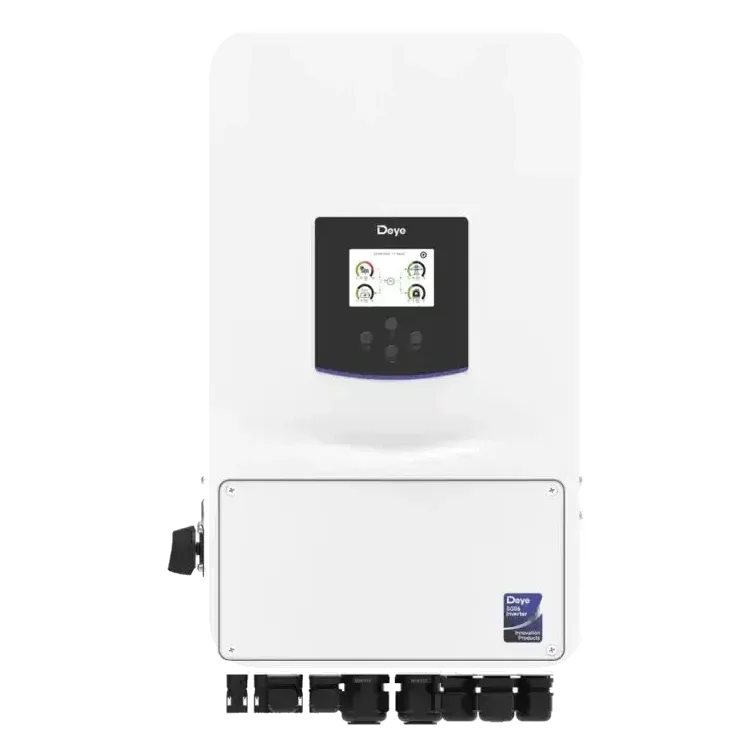
- Qty
- × 1
- Unit price
- IQD 1,150,000
- Total
- IQD 1,150,000
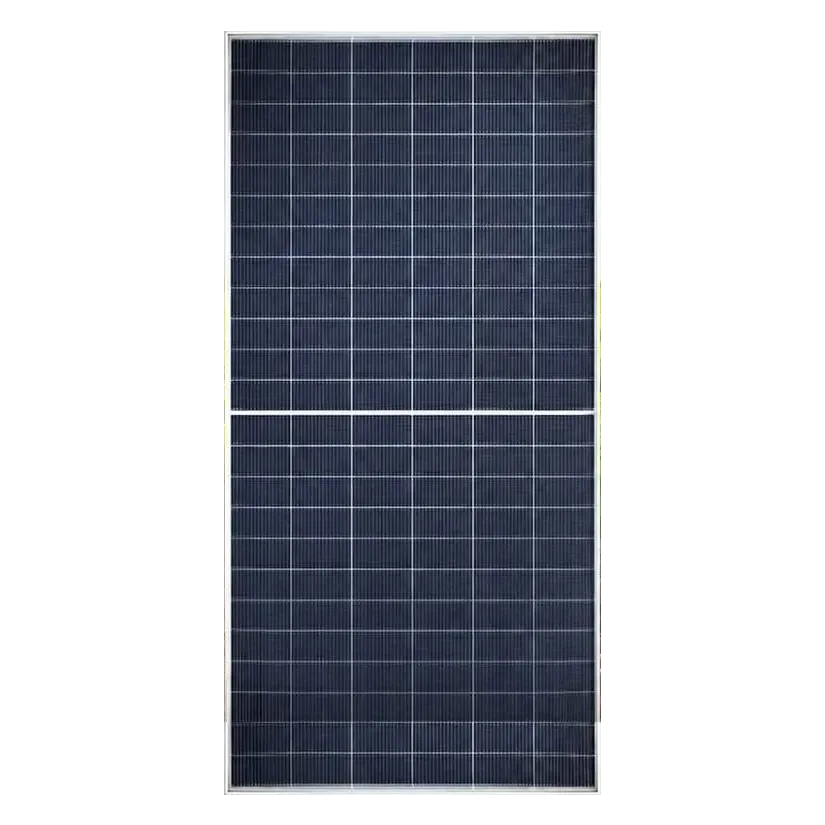
- Qty
- × 9
- Unit price
- IQD 192,000
- Total
- IQD 1,728,000
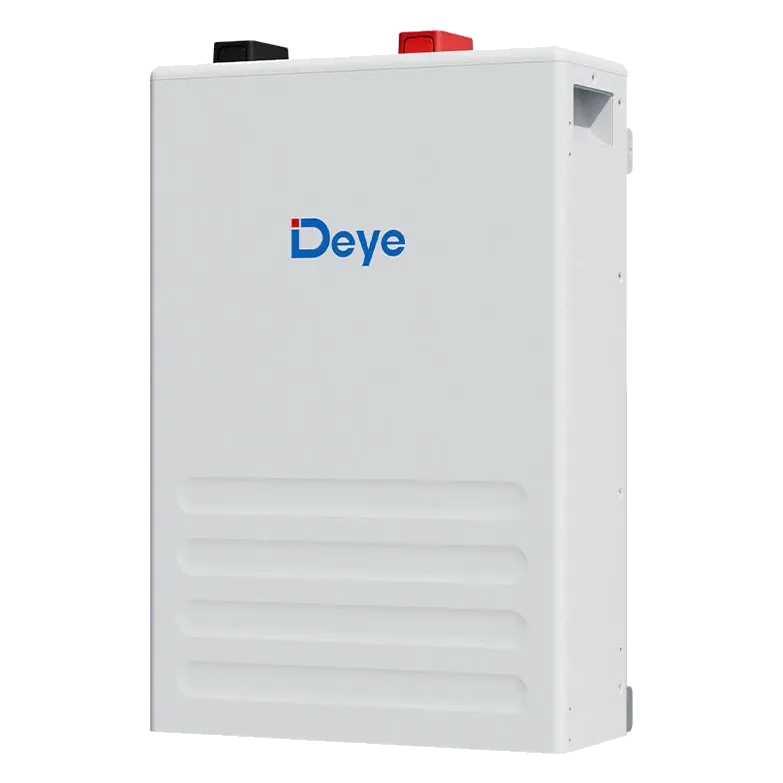
- Qty
- × 4
- Unit price
- IQD 1,250,000
- Total
- IQD 5,000,000
Excludes mounting structures, cables, breakers and installation.
Assumptions and method
How does the calculator size your system?
We add up your appliances’ daily consumption in kWh, then divide it by your governorate’s peak sun hours and the system performance ratio to get the panel capacity you need. Batteries are sized for the appliances that run during the battery hours you choose: air conditioners, lights and other long-use appliances for all of their hours within that window, fridges and short-use appliances for their share of the day. The inverter carries everything that runs at once plus the largest short-use appliance and the start-up surge of motors. The saving is the amps your running appliances need, capped at your subscription if you enter it, times your price per ampere and the share of outage hours the batteries cover.
Values used in the calculation
- System performance ratio (heat, dust and cable losses): 75%
- Usable depth of discharge for lithium batteries: 90%
- Inverter efficiency when running from batteries: 95%
- Share of long-use appliances running at the same time: 80%
- Short-use appliances (kettle, microwave, iron, water heater, water pump, and anything used under an hour a day) don’t count towards the generator subscription; only the largest one is added to the inverter rating
- Extra safety margin on inverter rating: 25%
- 1 generator ampere ≈ 220 W
- Average load in generator-subscription mode: 60% of the subscription
- Default price per ampere: IQD 12,000 a month, as a yearly average
- The generator saving is scaled by the share of outage hours the batteries cover
- Where the grid is out for no more than 2 hours a day, we only count a generator saving if you enter your subscription
- Hybrid systems: we suggest battery hours equal to the night-time share of the outage hours, assuming 14 hours without sun in every 24
- Off-grid systems: we suggest batteries for at least 14 hours to cover the night
- Assumed continuous battery discharge when the product data gives none: 0.5C (half its capacity in kW)
- Roof area per panel including row spacing: 4.2 m²
- Emissions avoided: 0.75 kg CO₂ per kWh
Important
These results are estimates to help you understand the right system size, based on your inputs and the assumptions above. The final design is confirmed after a site survey of your roof and actual loads. Prices shown are current store prices for the parts and exclude mounting structures, cables, breakers and installation.
Recommended system: 4 kW inverter, 9 × 600 W panels (5.4 kWp), 19.8 kWh of batteries. Daily usage 22.8 kWh.
Four steps to the right solar system
This is the same method installers use to design solar systems, simplified so you understand every number in your result.
Daily consumption
Each appliance’s watts × quantity × running hours. The sum is what your home uses per day, in kWh.
Σ W × n × hNumber of panels
We divide consumption by your governorate’s peak sun hours and the performance ratio, then by your chosen panel’s wattage.
kWh ÷ (PSH × 0.75)Battery capacity
The appliances that run during the hours with no sun and no grid: AC and lights for all of their hours in that window, fridges and short-use appliances for their share of the day, allowing for depth of discharge and inverter efficiency.
(Σ W × n × min(h, B)+ Σ′ W × n × h × B ÷ 24)÷ 0.9 ÷ 0.95Inverter rating
Covers everything that runs at once plus the largest short-use appliance with a safety margin, handles the start-up surge of AC units and pumps, and is upsized if the panels exceed what its PV input accepts.
max(Wmax, ΣWrun × 0.8 + Wshort)× 1.25 ≥ surge ÷ 2≥ kWp ÷ 1.6Need help choosing your system?
Send us your calculator result and we’ll help you choose the right system and arrange delivery and installation with you.