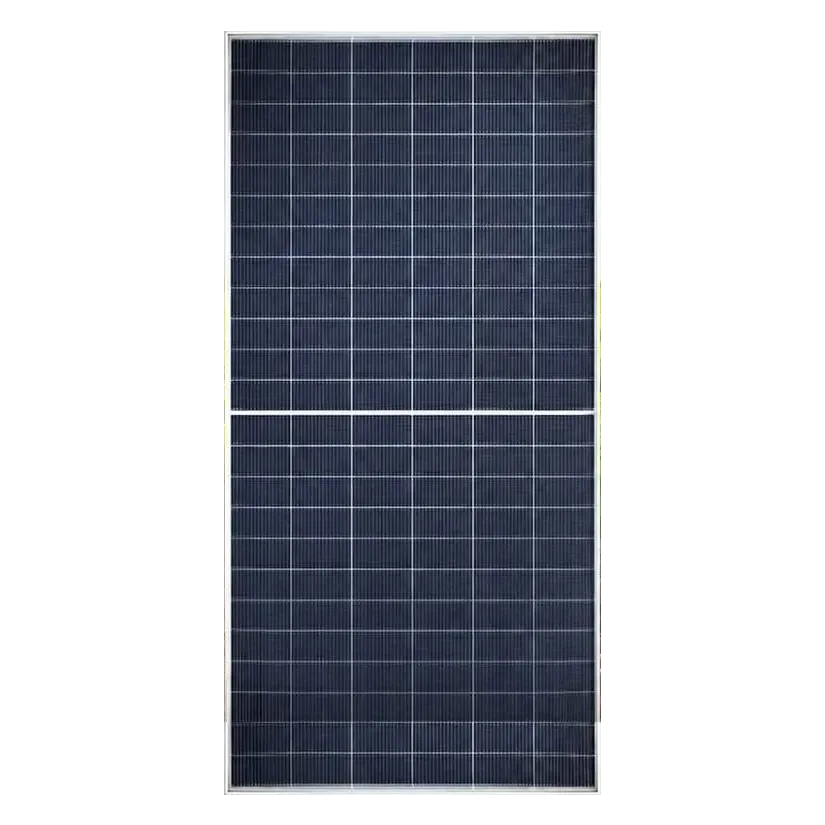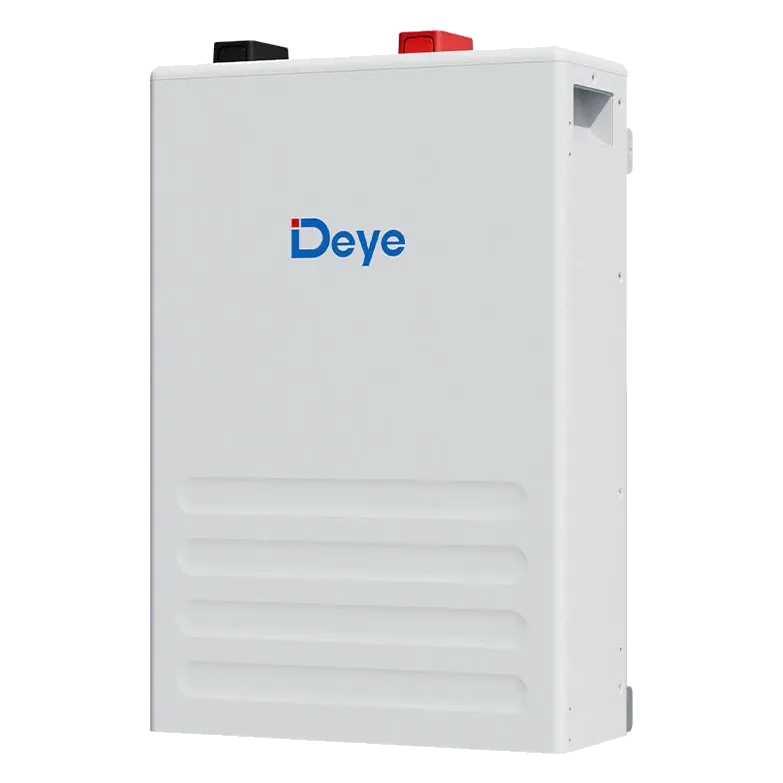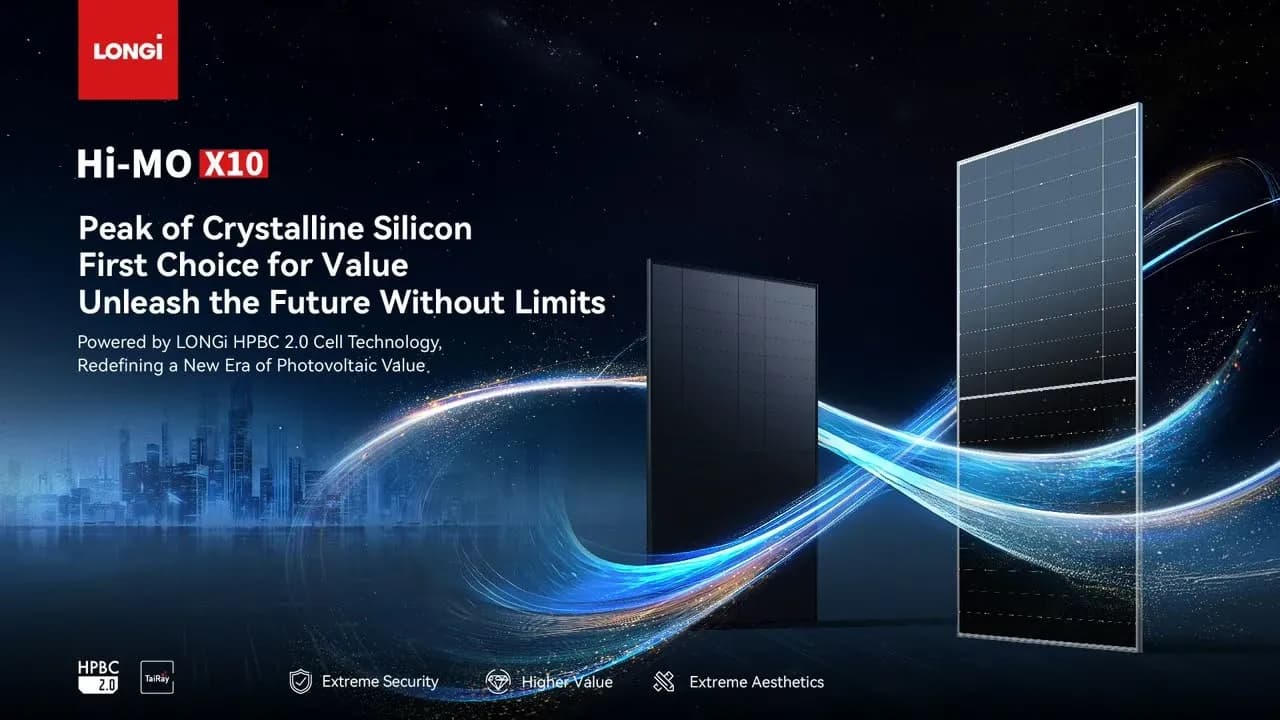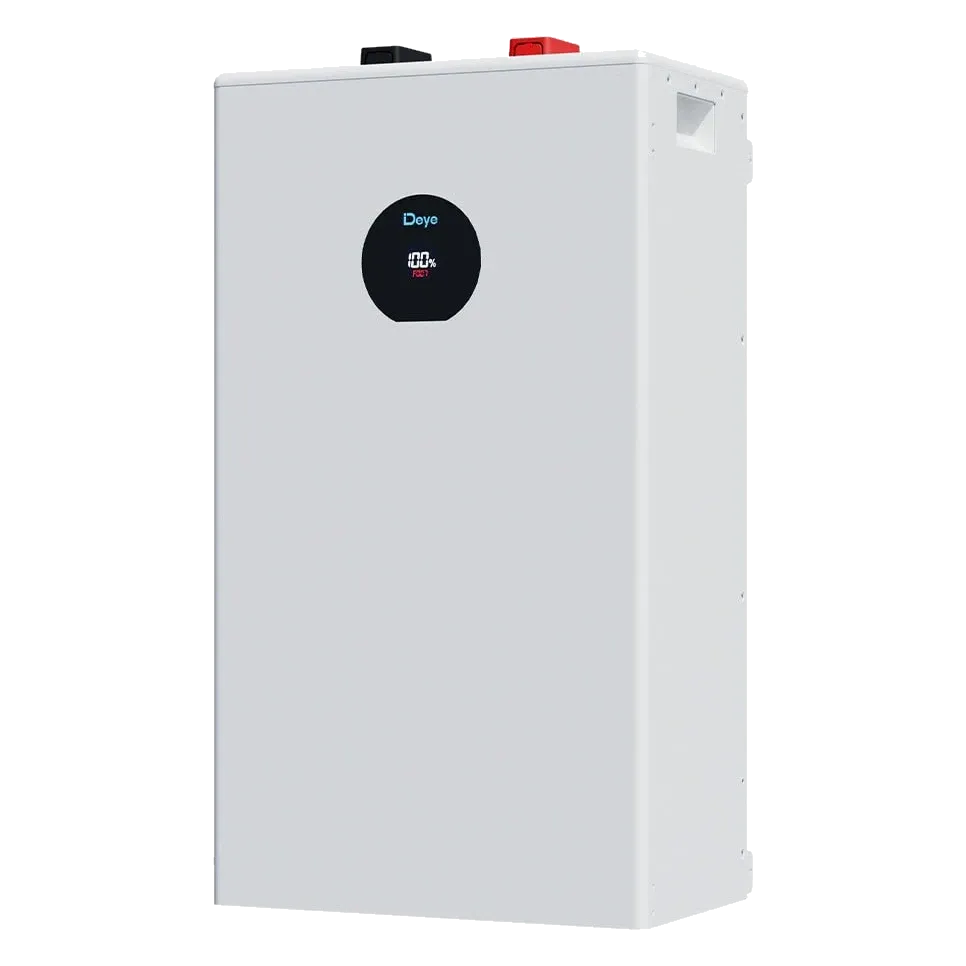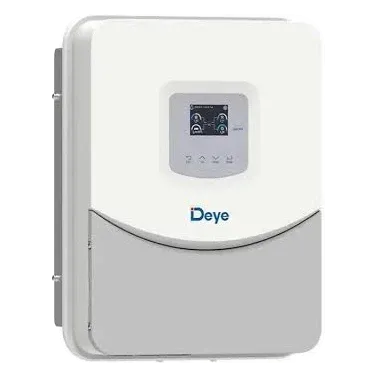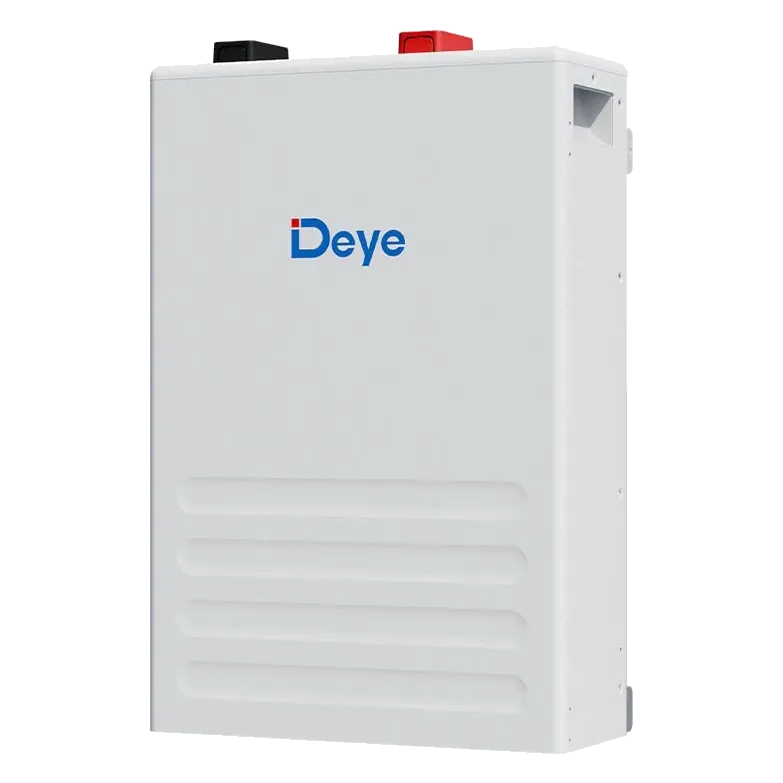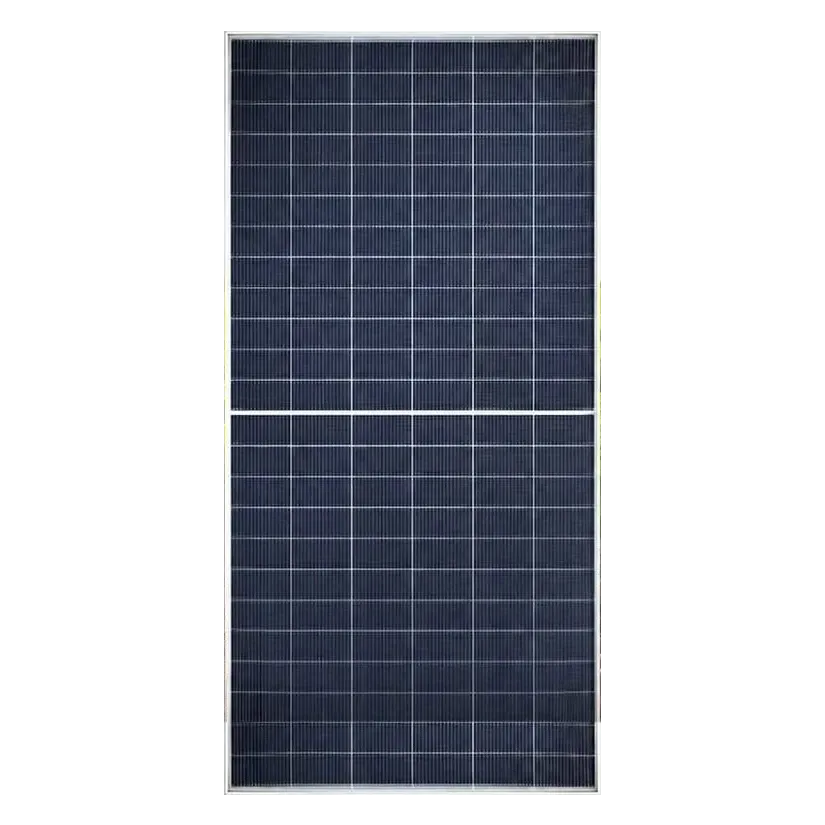
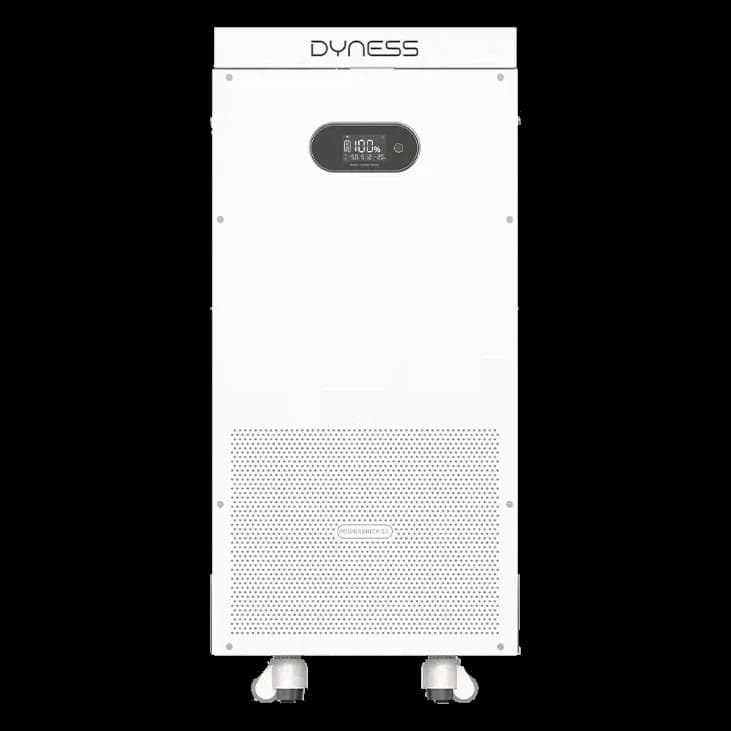
6 kW Hybrid Home Solar System with 16 kWh Storage
- PV array
- 6.2 kWp
- Inverter
- 6 kW
- Storage
- 16 kWh
- Daily yield
- ≈ 29 kWh
What's included
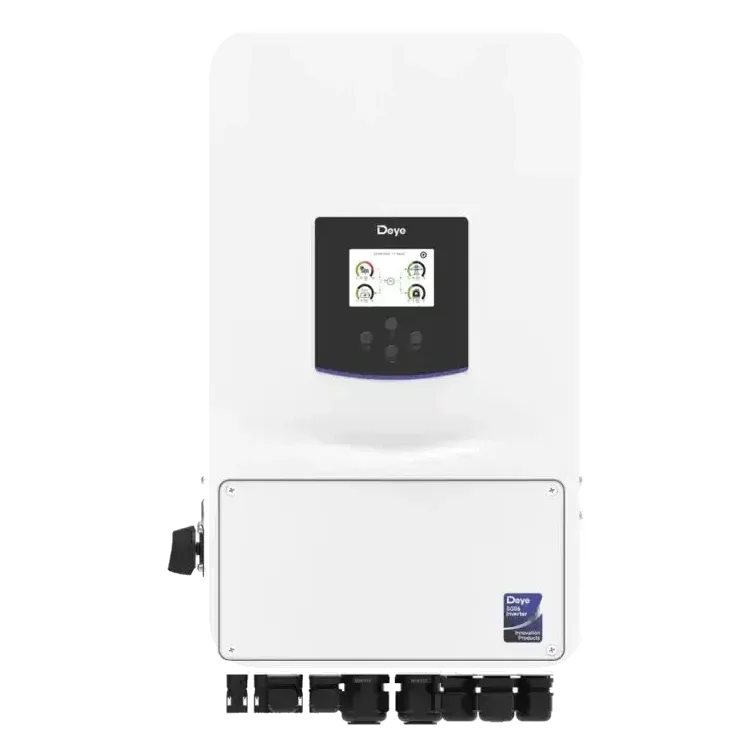


IQD 5,990,000vs. IQD 6,300,000 if bought separately
Save IQD 310,000 versus buying the parts separately
Cut your generator bill and the impact of long daily outages. Solar panels, inverters and lithium batteries from global brands, complete systems with matched components, and help choosing the right size for your needs.

A 6 kW system in Baghdad
≈ 27.9kWh per day
Rough estimate based on peak sun hours in Baghdad (6.01 h a day).
Size it for your homePanels, inverters and batteries from trusted brands, or a ready-made complete system with components that work together.
Panels, inverter and batteries we picked to work together, for less than buying each part separately.
What's included
Save IQD 310,000 versus buying the parts separately
What's included
Save IQD 217,000 versus buying the parts separately
What's included
Save IQD 588,000 versus buying the parts separately
Pick your generator subscription and the price per amp in your area to see the equivalent solar system and roughly how many years it takes to pay for itself.
Prices per amp vary by neighbourhood and between the regular and golden line, and usually rise in summer and drop in winter, so enter your average over the year.
You pay the generator
IQD 120,000
a month
That's IQD 1,440,000 a year
Parts pay for themselves in
about 3.7 years
Estimated parts cost: IQD 5,342,000
Equivalent solar system
Compared over 5 years
Estimated saving of about IQD 1,858,000
Rough estimates for comparison only, for a hybrid system in Baghdad at the part prices listed in our store, with batteries covering the night-time share of the outages. Installation, mounting and cabling are not included, and the final size and price depend on your actual appliances and usage.
Panels, inverters and batteries from our catalogue, with full manufacturer specs and clear prices.
We carry products from manufacturers known worldwide for their quality and long warranties.
We're with you from sizing your system to switching it on, and you can keep in touch with us after you buy.
Use the solar calculator, or message us on WhatsApp with your appliances and generator amps.
We help you pick panels, an inverter and batteries that suit your needs and budget, or you can pick a ready-made complete system.
Once you confirm your order, we get in touch to arrange delivery to your address and agree on the payment method that suits you.
Contact us to arrange installation of your system. We'll help you with manufacturer warranty follow-up and answer your questions.
Heat cuts panel output and wears batteries down, so we choose technologies that hold their performance in hot, dusty conditions.
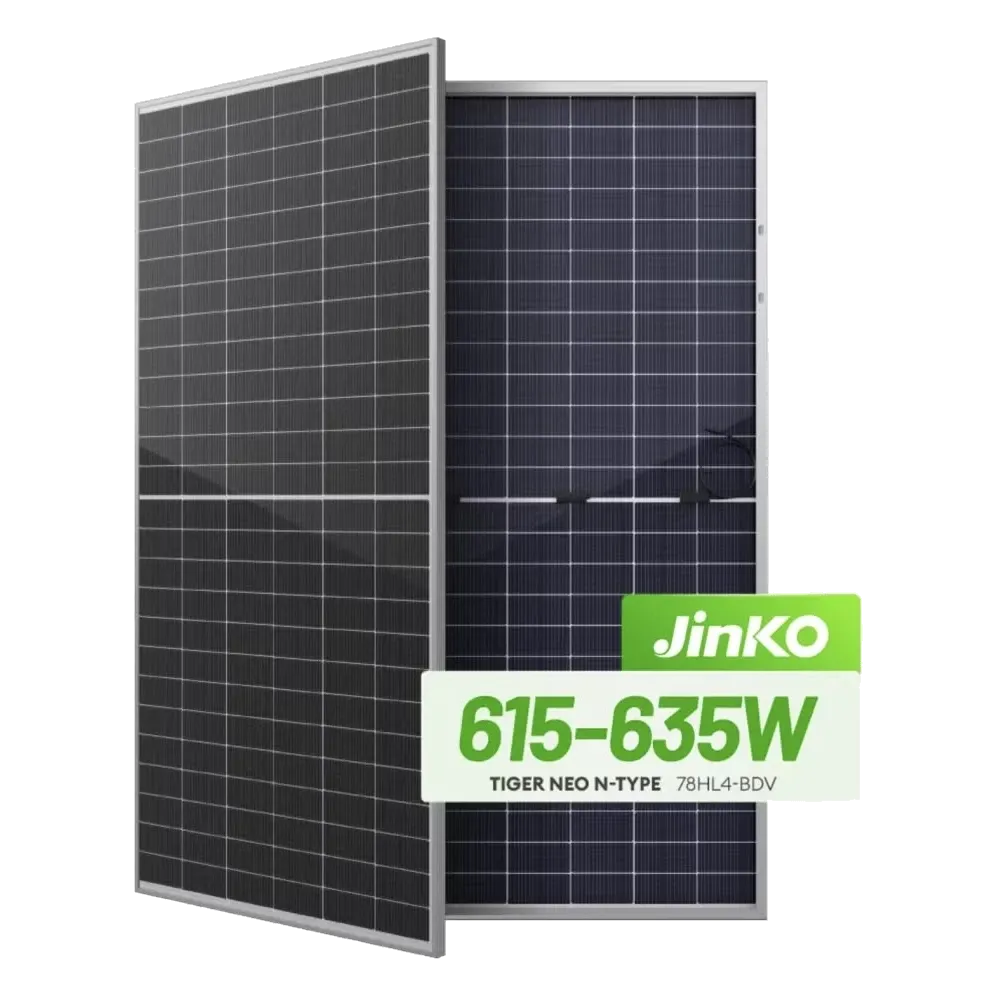
Low temperature coefficients between −0.26% and −0.29% per °C, so the panels lose less of their output in the midday summer heat.
The rear side captures light reflected from the roof or ground, adding 5% to 25% more energy depending on surface reflectivity and mounting height.
Thermally stable, cobalt-free LiFePO4 chemistry, rated from 6,000 to more than 8,000 charge cycles depending on the model.
They manage your panels, battery, the national grid and a generator automatically, and handle peaks of up to twice their rated power to start air conditioners and pumps.
That's 40 °C above standard test conditions (25 °C). The lower the temperature coefficient, the less power the panel loses.
Power loss
Plain-language articles that help you understand solar systems and choose what suits you.

4 min read
How much do you really pay the neighbourhood generator each year, what does a solar system cost, and how long does it take to pay for itself? A calm comparison using 2026 Iraqi market numbers.

5 min read
From your appliance list to the number of panels and battery size: the same method our calculator uses, with a worked example for a family home in Baghdad.

4 min read
What does an inverter actually do, and what's the practical difference between hybrid and off-grid? A clear comparison with recommendations by home type and tips for Iraq's power situation.
Common questions before buying, about systems, warranties, delivery and installation.
Yes. Iraq is one of the sunniest countries in the region, with roughly 5.8–6.2 peak sun hours a day on average across most governorates. With long summer grid outages and expensive neighbourhood generator subscriptions, a well-sized system can cover a large share of your daily needs and cut your reliance on the generator. Results depend on your appliances, roof space and how many outage hours you want to cover, so start with our solar calculator for a first estimate.
On Iraq's 220–230 V supply, each amp is roughly 220 W of load running at the same moment. So a 5 A subscription is about 1.1 kW and 10 A is about 2.2 kW. The subscription caps power (how many appliances run together), not energy. For comparison, a 6 kW inverter can carry loads equal to about 27 A at once, while the battery capacity decides how many hours those loads can run at night.
The Central Bank of Iraq runs a solar financing initiative with loans typically between 7 and 30 million IQD, repaid over 7 years. They are offered through participating banks and platforms such as tamwil.iq and the government Ur portal. Loan terms, interest rates and approved installers are set by the banks and the authorities and may change, so check with the bank before applying. We're happy to give you a detailed quotation for your chosen system to support your application.
A hybrid inverter manages panels, batteries and the grid or generator at the same time: it puts solar first and tops up from the grid, which suits larger homes with air conditioners. An off-grid inverter is designed for standalone operation and is usually more affordable. It can also take grid or generator power to charge the battery and feed your loads, but it doesn't blend the sources as flexibly. Since selling surplus power back to the grid isn't available to Iraqi households yet, both are normally set up with zero export.
Size depends on four things: how much energy you use per day (kWh), the largest load running at one time (kW), how many outage hours you want to cover, and your governorate's peak sun hours. As a rough guide, a 3–4 kW system with 5–10 kWh of battery covers essentials plus a small daytime AC, a 6 kW system with around 16 kWh suits many family homes, and large homes may need 10 kW or more. Enter your appliances in our solar calculator for a recommendation based on your numbers, then review it with our team.